May: The Blessing of the Fields
May is a month of widening light. The mornings come earlier, evenings settle slowly, and the world feels as though it is stretching after sleep. In the Church, we are still in Eastertide, but this is also the time of the Rogation Days: ancient days of prayer for the land, the crops, and the hands that work them.
"Rogare" means to ask. And May, with its soft blossom and lengthening days, invites us to ask, not only for ourselves, but for the earth, for our neighbours, for the work of quiet provision that sustains life. Traditionally, priests and villagers would walk the boundaries of fields, praying blessings over soil, streams, cattle, and barns.
It was simple, practical, earthy theology: if God became flesh and walked this ground, then this ground, our ground, can be blessed. This month reminds us that prayer is not only spoken in pews but in fields, kitchens, and along muddy footpaths.
From the Earth
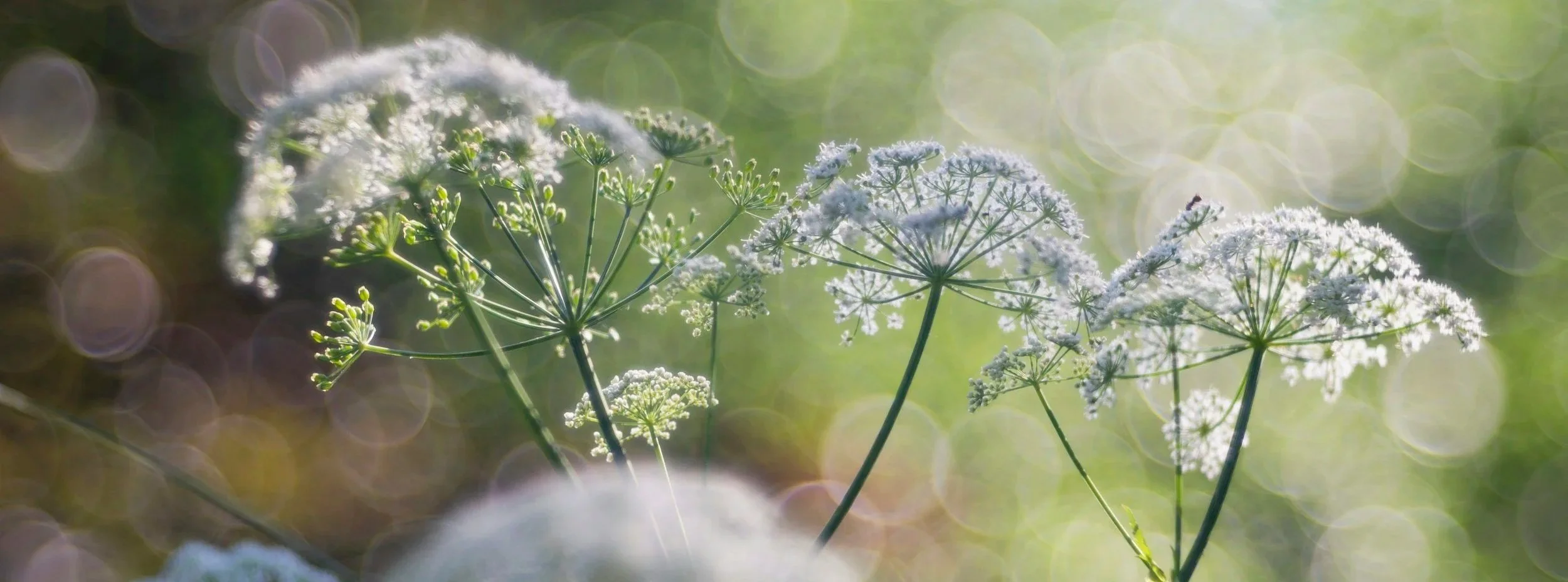
The British countryside is fully awake. Cow parsley froths along the lanes, apple and pear trees bloom pale pink and cream, and buttercups glaze meadows in yellow. In woodlands, the last of the bluebells shimmer in blue haze, soon to be replaced by ferns uncurling like green feathers.
Swallows dart across open skies, bees hum in wisteria, and new leaves glow fresh and translucent in sunlight. The world is loud with birdsong. Everything feels both tender and abundant, as though creation itself is praying without words.

Those Who Went Before
St. Bede the Venerable (Feast Day: 25th May)
St Bede was a monk of Northumbria, living at the twin monasteries of Wearmouth and Jarrow in the 7th–8th century. A scholar, historian, and poet, he is best known for writing The Ecclesiastical History of the English People, but his life was mostly quiet: spent in prayer, study, and teaching young monks.
Bede rarely travelled. He spent nearly his entire life in one monastery, near the River Tyne, observing the turning of seasons, the chanting of psalms, and the stories of saints who shaped the Church in Britain. He wrote of time not as something to control, but as something sacred: marked by bells, light, prayer, sowing, and harvest.
He reminds us that a faithful life does not need to be loud or far-reaching. It can be lived in one place, with attention, humility, and love.
A Prayer in Action
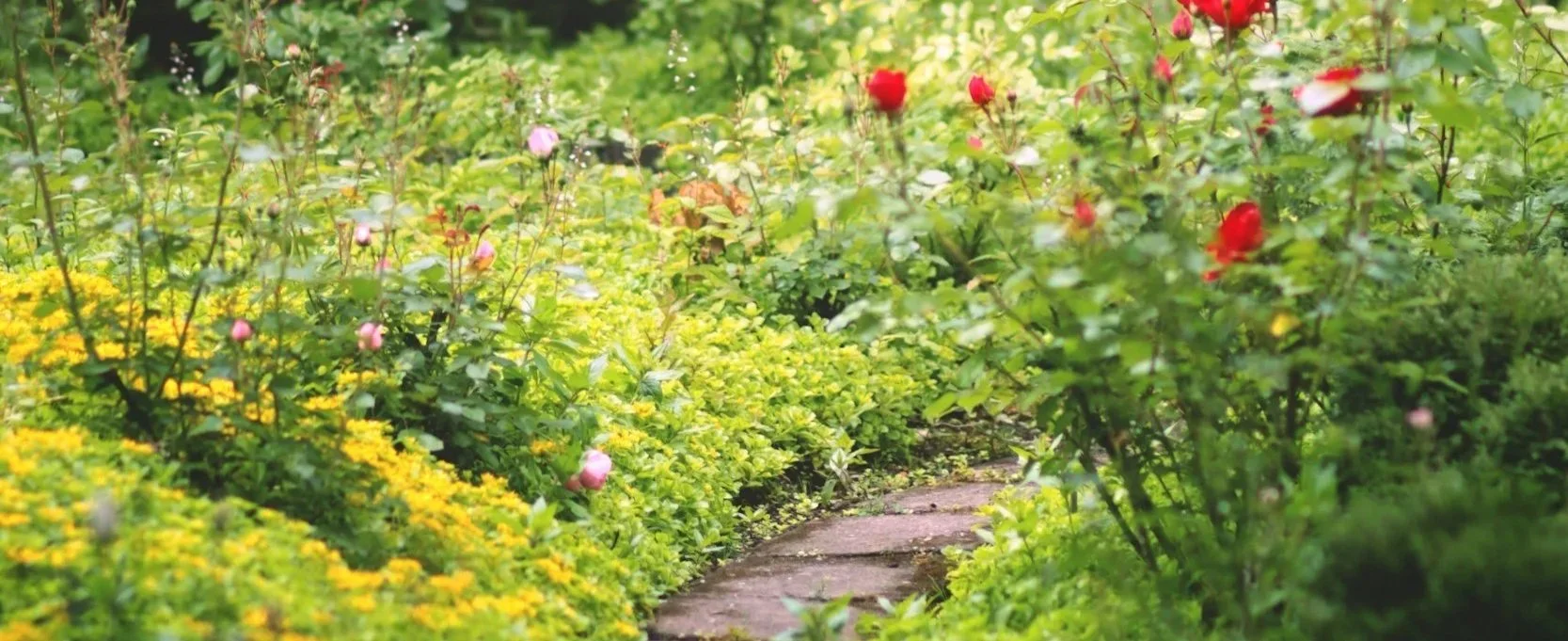
This month, pray for the land where you live: not in abstraction, but with your feet on it. Choose one outdoor place (your garden, a field path, a city park, a coastal path) and walk its boundary slowly. As you do, pray quietly:
“Bless this ground, Lord — its soil, its creatures, its people.
Teach me to live gently upon it.”
If walking isn’t possible, pray from a window or doorstep while looking outward. Prayer is not less holy for being small.
“The eyes of all look to You,
and You give them their food at the proper time.”
